North Slope Historic District Home

north slope-1

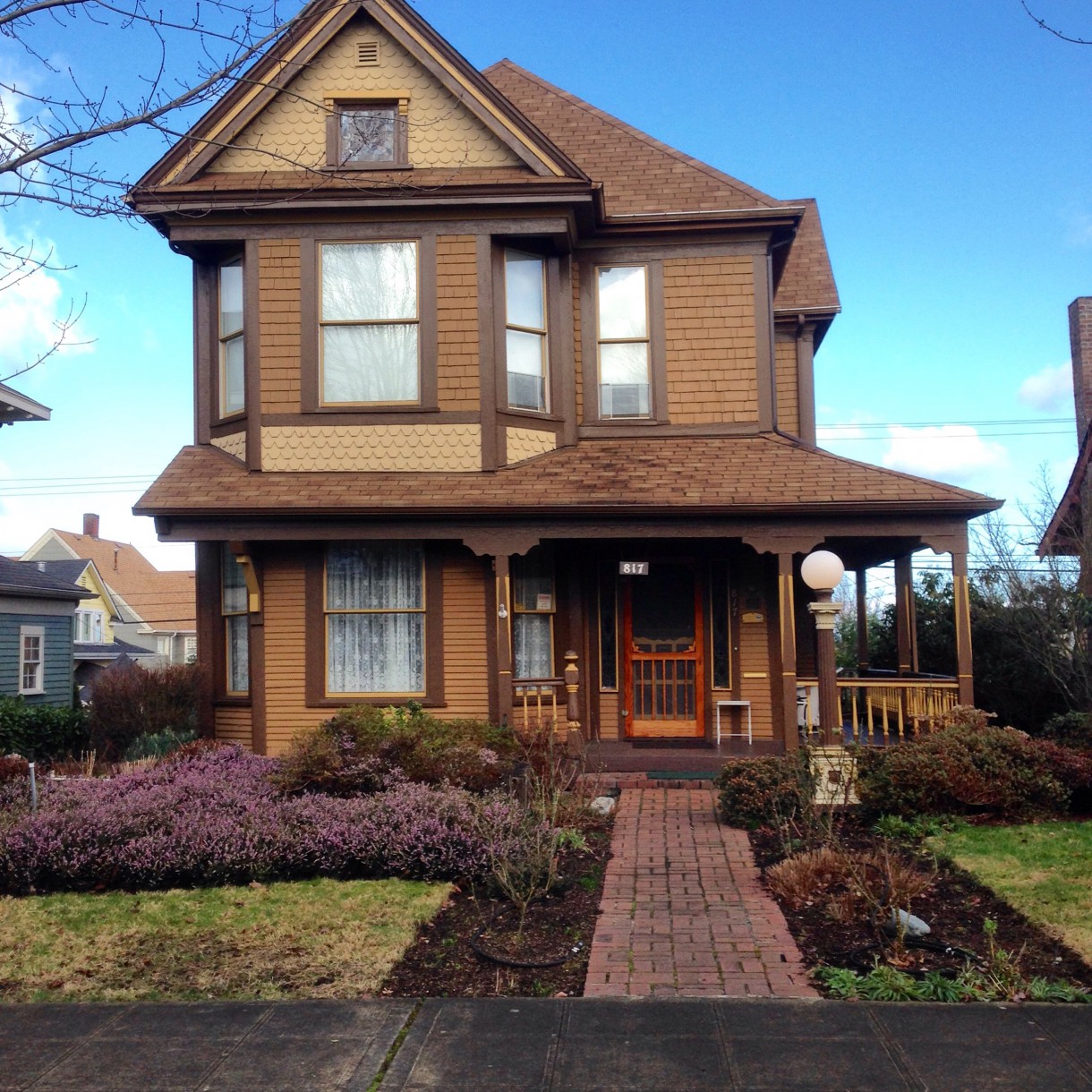
This Stick-Style home was built in 1889 for John and Virginia Mason, (Nope,  she is not the “Virginia” of Virginia Mason Hospital, I checked.) John Mason was from Illinois and had enlisted with the Chicago Mercantile Battery of artillery at the start of the Civil War and served at Vicksburg under General Sherman.  He was later drafted into the military telegraph service.  After the war he returned to Chicago and worked in telegraph service, eventually becoming the chief dispatcher for the Wabash Rail Road line.  In 1888, Mr. Mason moved to Tacoma as the assistant superintendent  of the Northern Pacific Railway.  His wife, Virginia was an early suffragette, and helped make Washington one of the first four states to adopt women’s suffrage.  She was also influential in establishing Franke Toby Jones retirement home.


As a Seller, Should You Get a Home Inspection?

downloadhome inspectionAs a seller, you need to know that nearly every buyer that makes an offer on your home, will make their offer contingent on a professional home inspection, that is satisfactory to them.

Having a home inspection prior to listing your home offers many benefits.  First, it identifies any major problems that could scare off a potential buyer, even if you are willing to fix the problem. Remember, the home inspection must be satisfactory to the buyer!  If you repair these problems, before you list your property, they become a non-issue.

Secondly, if you are unwilling or cannot make repairs, you can have the work bid, and price your home accordingly.  You will be in a better position to negotiate with the buyer, when you know what is wrong, disclose it to the buyer and know what the cost is to repair the problem.

You will have time to get bids.  Usually the home inspection contingency calls for you to respond to the buyers request for repairs in a short amount of time.  If you have already had your home inspected, you will have had time to get several bids for the repairs. This will give you a better idea of your net proceeds, so you can budget for your upcoming move or purchase of your new home.

The Appraisal Process

appraisalWhen purchasing a property with a new loan, the lender will require the home to be appraised to determine fair market value, and that the sales price is warranted. A licensed appraiser will be assigned to complete the appraisal and will begin researching nearby houses that have sold in the last 6 months and are similar to the home being purchased in size, age, style, construction and amenities.

The appraiser will visit the property and will take 30 minutes to an hour to look the property over.  The appraiser will measure the home to determine square footage and draw out the floor plan, take photographs both inside and out and review the home’s overall condition, upgrades, and amenities.

The appraiser will provide the buyer’s lender an appraisal within a few days of visiting the home.  If the appraiser has recommended repairs to the property, these repairs must be completed and re-inspected by the appraiser before the loan process can be completed.


As a Buyer, You Will Soon Have The Responsibilities of Homeownership

The American dream of owning a home is something everyone should have if they want it. You should be able to live where you want and enjoy the features of your environment that help you relax, entertain, play, and do more of the things you enjoy without the restrictions imposed by a landlord.

You can own a pet, build a tree house, paint the walls your favorite color, and play music and videos as loud as you like without disturbing your neighbors. That’s the essence of the dream — independence.

For most first-time buyers, it’s better to accept that for dreams to come true, you have to do the groundwork. Yes, you will be far more independent than you would as a renter, but you will still have some very real responsibilities to make home ownership work. Here are the top three responsibilities you’ll have as a homeowner.

Financial responsibilities

You owe your lender timely payments. Paying on time helps you build your credit. With great credit, you can take on more projects such as remodeling, or you’ll be able to buy furniture, cars or other things you want with lower interest on your payments.

Your debts should never be more than 40 percent of your income. If you get overextended, you’ll have problems meeting the minimum payments. Instead, limit the amount of credit you actively use and pay off balances every month. Don’t add new charges until you’ve paid off your balances.

You should also be in a position to save money, which you can do several ways. You can put money in your 401K, you can pay extra on your principal every month, or you can buy bonds or invest in the stock market, according to your tolerance for risk. You can put money in a safety deposit box or under the mattress as long as you are saving rather than overspending.

Common wisdom is to build six months of cash so you can continue to make your house payments if you lose your job or become ill. You need savings for emergencies, large expenses such as student debt, and retirement.

Neighborhood responsibilities

When you buy a home, your household becomes part of the neighborhood. You can influence whether or not the neighborhood prospers or declines simply by the way you treat your neighbors and your home. It’s up to you to uphold or to set a higher standard for the neighborhood by keeping your lawn and trees trimmed, your home freshly painted, and toys and trash picked up from the entry.

This is the way you can protect your investment and those of your neighbors. It’s one of the reasons many neighborhoods have homeowners associations — to protect values by standardizing safety and maintenance for the community.

To get the benefits the HOA provides such as higher and consistent home values, you have to pay your dues and obey the covenants. You can volunteer to help or you’ll have to abide by the decisions others make. Before you buy a home in a HOA-managed community, read the covenants so you’ll know what you’re getting into. If not being able to use certain exterior paint colors bothers you, then don’t buy the home. Find something else.

Household responsibilities

You owe yourself and the other members of your household the best life you can possibly provide. Buying a new home is a great time to step up your lifestyle and enjoy what your new home and the community has to offer.

Your home should help you be who you want to be. That’s the purpose of shaping your environment. You have control over whether you entertain like Martha Stewart, paint in your studio like the next Picasso, or grow a lawn as sleek as the Augusta fairways.

Choose a home that meets as many needs as you can within your means. Separate bedrooms for the kids may be doable, but you may have to compromise on a Jack and Jill shared bath. This is an excellent opportunity to teach your older children about prioritizing, delayed gratification, give and take and winning and losing gracefully.

Make sure the area you select offers amenities that your building doesn’t have. If you don’t have a yard for the kids and the dog, make sure there’s a park and playground nearby.

Think about how far and how long it will take you to get to shopping, work, and other friends and family. Think about how a long commute will affect your family. Would you rather be sitting in traffic or attending your son’s ball game?

You and your spouse may want the prestige of living in a certain area, but if your house-payment is too high, you’ll introduce problems into the relationship you don’t need. It’s about making choices that make sense. Better to buy a smaller home in a great neighborhood and keep the arguing down.

Buy the best home you can that’s within your means and it will see you through years of comfort
  Article by Blanche Evans for Realty Times 
  • Individual news stories are based upon the opinions of the writer and does not reflect the opinion of Realty Times.

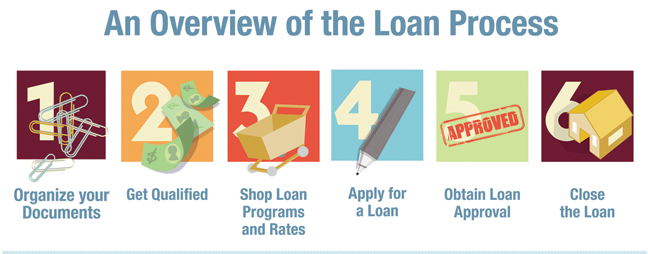
Get The Best Home Loan For You

LoanProcessOverviewofSteps_English

After completing steps 1 and 2 in the loan process it is NOW time to SHOP FOR YOUR LOAN. You will need to know and factor in these 5 specifics:

1.  The price of the home

2.  Your down payment amount, resulting in the amount you will finance.

3.  The interest rate and any points charged to originate the loan.

4.  The term of your loan:  15 year or 30 year. 

5.  Type of loan:  fixed vs variable rate, conventional or FHA financing, there are many loans to choose from.

To shop for the best financing for you, do your homework.  Research these items so you understand what your mortgage lender is talking about.  Now, go and talk to 2 or 3 lenders.  Knowing these specifics will help you compare loans, so you can choose the loan and lender that will be the best deal for you.

Cut Thousands of Dollars of Mortgage Interest off Your Loan and Save Big!

1-introOkay, you have purchased your home and you are now making your monthly payment.  For the first few years of your loan, most of your payment is applied to interest and a smaller amount is applied to your loan balance.

You can save thousands of dollars in interest by making one extra mortgage payment every year and there is an easy, painless way to do just that.

Take your monthly principal and interest payment and multiply that number by 13.  Then divide that total by 12 to get your new monthly payment.  This will result in savings to you, reduce your principal mortgage balance faster and increase your ultimate net worth!

8 Tips for First-time Home Buyers

first-time-home-buyers1.  Get pre-approved: Before you jump on the web or jump in your car to look at houses, have a talk with a lender or 2, remember, you are “shopping” for the best home loan you can get!  Find out how much house you can afford and what your interest rate will be.  Check out what your monthly payment will be at different interest rates and different down payments.  You want to be pre-approved and ready to buy the home of your dreams when you see it!

2.  Now that you know what you can afford, know what you want.  The home buying process can be stressful.  If you know what you want in a house and what you are willing to compromise on, the home buying experience will be far easier.

3.  Start researching:  Drive around, hit some Open Houses, go online, check out crime, walk scores and schools and narrow your search to 3 or 4 neighborhoods that you want to live in.

4.  Have a timeline: If you need to clean up your credit first, factor that in.  Plan to buy a house in 3 months or 6 months or whenever it is best based on your situation, and then set and stick to your timeline. Continue reading

5 Ways to Boost Your Credit Score

PJ-AR438_FAMILY_NS_20090908213707

Credit Scores range from 300 to 850.  A credit score of 760 or more is considered an excellent credit score.

Although you may be able to get a home loan with a credit score of less that 760, to get the best interest rate on your loan, you will need a credit score of 760 or more.

Here are 5 Quick Ways to Boost Your Credit Score

1.  Get a copy of your credit report and dispute any errors you find.

2.  Negotiate with a creditor that is reporting negative information about you.  Write a letter and find out what you can do to erase that negative information.

3.  Don’t  max out your credit cards.  If you have, start paying those balances down.  You should not have used more than 30% of your available credit at anytime and using only 10% is best.  This applies even if you are paying the balance of monthly.  30% of your credit score rating is based on debt owed.   Continue reading